true companions pet insurance, explained with real use and practical choices
Why this matters right now
Veterinary bills add up fast; a single emergency can derail a budget. I'm not chasing "cheap." I'm after predictable and usable coverage that won't surprise me mid-crisis. That's where I started evaluating True Companions, with relevance and day-to-day usability front and center.
What I looked for
- Clarity: plain-language exclusions and examples.
- Speed: claims timelines that match real life, not wishful thinking.
- Flexibility: adjustable deductible and reimbursement options.
- Continuity: support for chronic conditions over multiple years.
- Access: freedom to visit any licensed vet; no referral hoops for common issues.
- Support: responsive help when something's confusing at 9 p.m.
Coverage snapshot (typical patterns)
Every policy has its own rules, but I expect a modern plan to address core risks and avoid gimmicks. I verified the following categories and asked for plain examples.
- Accidents: fractures, foreign body ingestion, lacerations.
- Illnesses: infections, GI issues, ear/skin problems.
- Hereditary/congenital conditions after waiting periods, when not pre-existing.
- Diagnostics: X-rays, ultrasound, bloodwork; sometimes advanced imaging.
- Treatments: surgeries, hospitalization, prescription meds.
- Dental injury; dental disease may be separate - worth double-checking.
- Optional add-ons: wellness visits, vaccines, routine labs - only if the math works for you.
A quiet, real moment
Rainy Thursday, squeaky toy explodes, my terrier swallows the stuffing. Urgent care, X-rays, anti-nausea meds, and an overnight watch. The bill hit $1,327. With True Companions set at 80% reimbursement and a $250 deductible, I filed the claim from the parking lot - photos of itemized invoice attached. An explanation of benefits arrived in 48 hours; funds landed five business days later, covering a bit over $800 after deductible and non-covered exam fees. Calm replaced panic, which is really what I wanted to buy.
How costs line up
Premiums depend on pet age, breed, and location. I sanity-check the total year, not just the monthly number.
- Pick a deductible and reimbursement level you can live with during an emergency.
- Estimate annual premiums (monthly x 12).
- Consider one moderate claim and one small claim per year as your baseline scenario.
- Apply reimbursement to eligible expenses; add your deductible once per policy year if applicable.
- Compare that "all-in" cost against your risk comfort, not just ads.
Using the policy day-to-day
- Save itemized invoices; ask the clinic to separate exam fees from procedures.
- Submit claims digitally with clear photos; include vet notes when available.
- Track status; skim the explanation of benefits to spot coding errors.
- Opt for direct deposit for faster reimbursements.
- If offered, use chat or phone support to clarify pre-approvals for bigger procedures.
Strengths I noticed
- Plain-language documents that don't bury key exclusions.
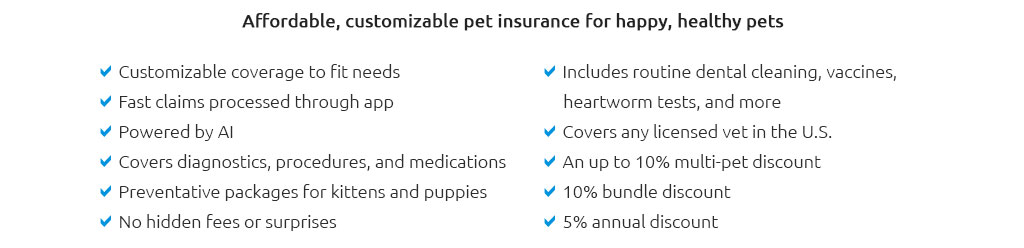
- Customizable reimbursement and deductible options for different budgets.
- Potential multi-pet savings and higher annual limits when needed.
- Direct pay to vets in some cases, helpful if cash flow is tight.
- Fast decisions on straightforward claims; complex cases took longer but remained communicative.
What to double-check before you bind
- Waiting periods for accidents, illnesses, and orthopedic issues.
- Bilateral condition clauses (e.g., cruciate injuries, hip dysplasia).
- Dental illness versus injury; prophylaxis rarely counts.
- Exam fee coverage - sometimes excluded unless you add it.
- Prescription food and supplements - often limited or excluded.
- Behavioral therapy and alternative treatments - covered only under certain tiers.
- Pre-existing condition definition and look-back period.
- Out-of-state or travel coverage if you move around.
Is it the right fit?
If you value straightforward coverage with usable guardrails, True Companions feels competitive, especially for mixed-breed dogs and indoor cats. Senior pets or breeds with known orthopedic risks need extra scrutiny on waiting periods and caps. I'm leaning in because the claim flow was predictable and the documentation was honest, yet I'm still comparing total annual cost against one other plan with a lower deductible but tighter limits.
Quick mini-checklist
- Match deductible to your emergency fund size.
- Choose a reimbursement that keeps monthly costs stable without straining payouts.
- Confirm exclusions you can live with; don't guess.
- Run a "one big claim + one small claim" scenario and see if the math works.
- Revisit at renewal; pets age, needs shift, prices move - so can you.
I want solutions that work on a stressed Thursday night, not only on paper. True Companions is close to that mark for me, and I'm watching how the next renewal plays out.